Maximize your plant efficiency with durable conveyor belts for stone crushers. Learn how to integrate belts with Jaw Crushers for a seamless aggregate production line
Efficiency is not only an objective, but also a measure of survival in the high-stakes environment of mining and construction. Most of the time, the crushing equipment takes centre stage; however, the conveyor belt of stone crusher systems is the unrecognized hero that keeps your production line going.
Should you wish to streamline your aggregate production line, it is essential to understand the synergy between your material handling equipment and crushers in minimizing downtime and maximizing ROI.
The Importance of the Right Conveyor Belt to Your Stone Crusher
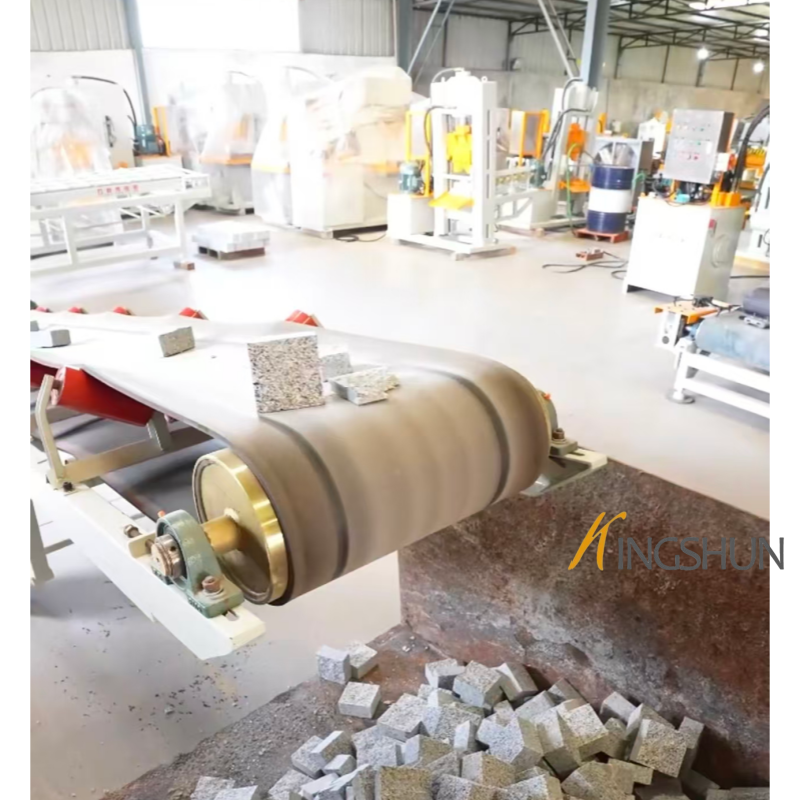
A conveyor belt is not merely a rubber belt; it is a carefully designed part that is expected to resist very high impact, abrasion, and tension. The conveyor has to move jagged and heavy debris, which came out of the initial crusher, to the subsequent processing point in a normal stone crushing plant.
The most important advantages of the best conveyor systems include:
- Lower Operational Costs: High-tensile belts lower the rate of replacement.
- Improved Safety: Automated belt conveyor systems reduce the use of manpower when handling heavier stones.
- Smooth Design: It is made to be used with vibrating feeders and screening machines.
 Combining Conveyors with Other Stone Machinery
The stone crusher conveyor belt does not operate in isolation. To create a crushing solution that truly counts as a part of an industrial solution, you have to think about how the belt will interact with the other heavy machinery:
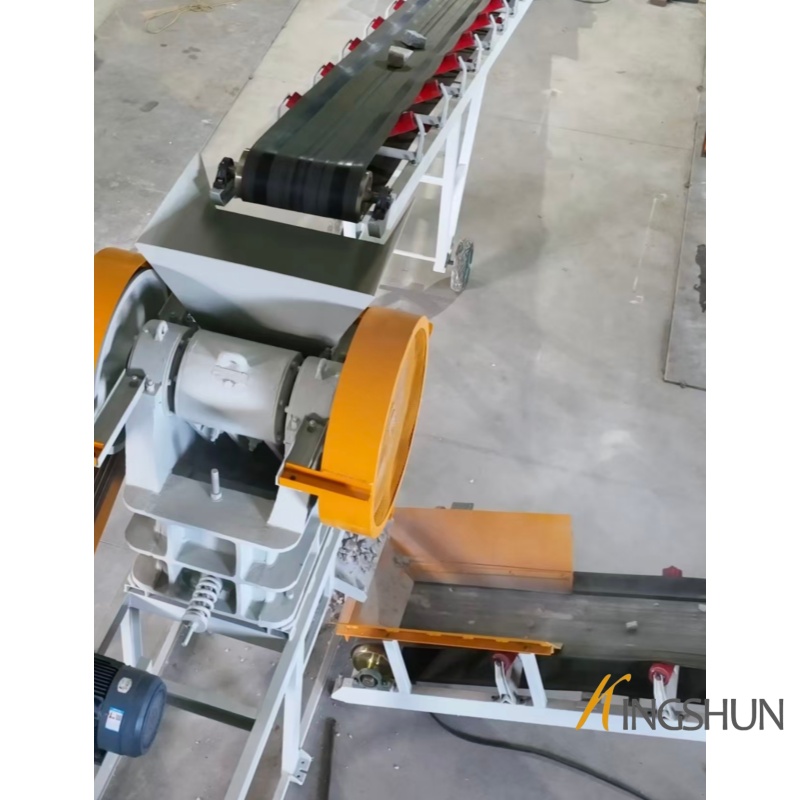
1. Jaw Crushers are used to crush the feed material into very small particlesA jaw crusher is typically the initial point of large rocks. The conveyor belt employed in this case should have a high-impact resistant carcass (which is frequently reinforced with steel cords) to avoid puncture due to sharp and bulky material that comes out of a jaw crusher.
2. Impact Crushers and Cone Crushers.In the case of secondary and tertiary stages, conveyors carry fewer aggregates. In this case, it becomes more about abrasion resistance, where the surface of the belt does not wear out due to friction against the masses of gravel, thousands of tons.
3. Vibrating ScreensMaterial is sent to the vibrating screen through the conveyor, where it is sized. To avoid the rollback of material, reliable manufacturers of conveyor belts offer them with particular textures or cleats in case the slope towards the screen is high.
Choosing the correct Industrial Conveyor BeltThese are technical requirements to consider when sourcing a B2B stone machinery supplier:
- Belt Width: Typically has a width of between 500mm and 1400mm according to the capacity of the crusher.
- Heat Resistance: This is necessary in case you are dealing with material in hot weather or where there is the presence of kiln processes that produce heat.
- Tensile Strength: Belts made of high-strength EP (Polyester/Polyamide) are the industry standard in terms of durability.
Reference Materials
-
Wills' Mineral Processing Technology (8th Edition) – Insight into the mechanical design of transport systems in mining.
-
CEMA (Conveyor Equipment Manufacturers Association) Standards – The global benchmark for belt tension and power requirements.
-
International Journal of Mining Science and Technology – Studies on the impact resistance of reinforced rubber belts in primary crushing stages.

